
Redeeming Sussex’s Lost Mental Health Dead
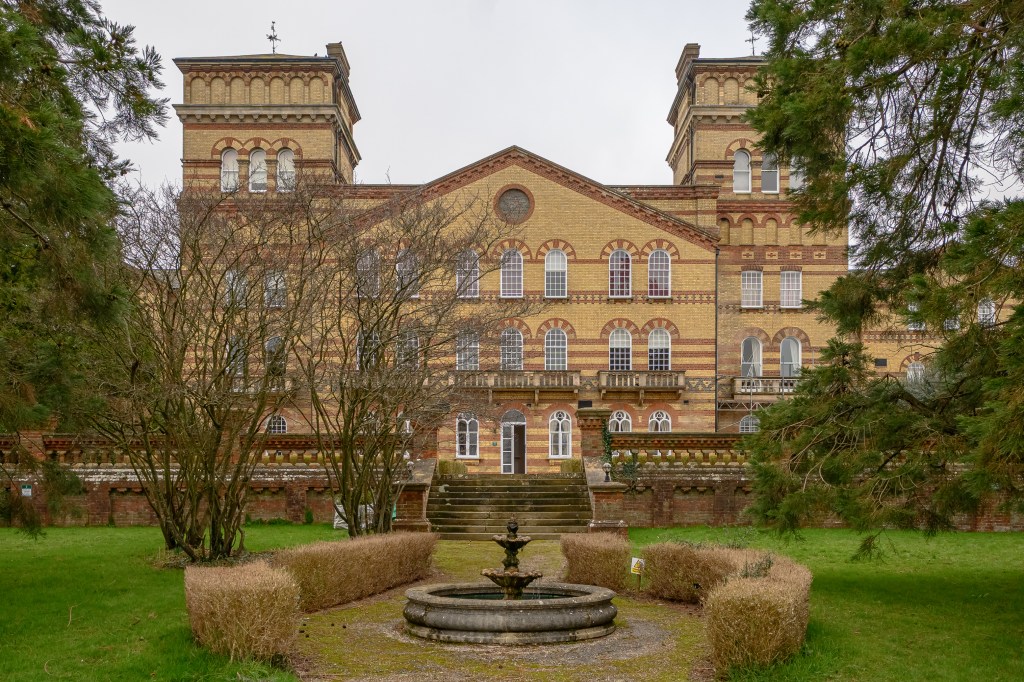
Our community project has been set up to bring “back to life” the thousands of mental health patients who, having died in Sussex’s County Asylums and whose bodies were left unclaimed, were consequently laid to rest in the burial grounds that were used by these hospitals. They were buried unnamed and in the vast majority of cases with minimal grave marking, usually just a small marker with a grave number on it. Today their burial sites have little or no physical indication above ground that these people are buried there.
Please note: This is a work in progress version of our website – read more here
Our objectives are as follows:
- Give these people the respect and commemoration that they deserve with the help of volunteer genealogical researchers who will use their skill and determination, locating any existing online and physical records to research, write and publish on this web site the stories of these mental health patients’ lives. The stories will be free to read.
- Use the stories published by our volunteers to raise public and perhaps living relatives’ awareness that these deceased people existed, with each of them spending the last period of their life as a mental health patient in a Sussex County Asylum, from where, on death, they were unclaimed by family and friends (for a variety of reasons) and buried unnamed and almost unmarked in an Asylum burial ground.
- Encourage the installation of a single respectful physical memorial at each Sussex County Asylum burial ground to make people today aware that all these mental health patients are buried there, letting them know in which Sussex County Asylum these people died and indicating where their stories can be read.
- We hope that in bringing these deceased mental health patients “back to life”, their free to all stories will help to show that mental health problems can happen to anyone, that having mental health problems should not automatically bring shame, ostracisation, blame and stigma to the sufferers or to their families, but should encourage our understanding, empathy, friendship and support.
We Need More Volunteers!
Our website is run by volunteers passionate about the history of the asylum and its patients. We rely on volunteer researchers to write our stories on the patients’ lives. If this is something you are interested in, please read more about volunteering here or Contact Us.

Latest STORIES
-
› Read more: Emery, Churcher Clayton
Emery, Churcher Clayton
Author: Linda Martin Emery Churcher Clayton Born: 1820, Selsey, West Sussex Died: 24th September 1870, The Sussex Asylum (St. Francis…
-
› Read more: Gasson, Sophia
Gasson, Sophia
Author: Linda Martin Sophia Gasson (nee Stains, Staines, Staynes) Born: c. 1834Died: 13th May 1871Buried: 16th May 1871 Sophia Gasson…
-
› Read more: Chennery, Abraham
Chennery, Abraham
Author: Linda Martin Abraham Chennery Born: c. 1808Died: 16 January 1876Buried: 20 January 1876 Abraham Chennery was a Brighton Lodging…
-
› Read more: Baum, Bertram & Bernard
Baum, Bertram & Bernard
Author: Tony McGarry Bertram BAUM Born: 1880 (Baptised 22 August 1880)Died: 16 April 1895Buried: 20 April 1895 Bernard Cyril BAUM…
-
› Read more: Casselden, William
Casselden, William
Author: Linda Miles-Cartwright Born: 1821 Died: 25 April 1872 Buried: 29 April 1872 William died in Sussex Lunatic Asylum in…
The Project
The Sussex Asylums Burial Grounds Project is based on the model that has been tried and tested for Horton Cemetery in Epsom, Surrey. The Horton Cemetery Research project, operated by volunteers all over the UK and even overseas, resulted in the creation of The Friends of Horton Cemetery charity (Reg. No. 1190518). This work has been done to bring the parlous state of this cemetery to the attention of the public and to help prevent the new owner destroying the cemetery, the largest (by body count) cemetery of its kind in the UK. This cemetery was used by the five London County Asylums that functioned in Epsom from 1899 to the late 20th century. The unclaimed mental health dead from these hospitals were buried in Horton Cemetery from 1899 to 1955, almost 9,000 patients are buried here. In 1983 the NHS sold the 4.5 acre cemetery to a local developer in a disgraceful transaction that should never have happened. Up until its sale the cemetery had been well maintained by staff from these Epsom hospitals. The maintenance continued even after the cemetery was closed and no longer being used for patient burials. But from the time of its sale the purchaser has allowed (encouraged?) the cemetery to become completely overgrown and covered in trees, shrubbery and undergrowth. The ground has been dug up by badgers and foxes, bringing human bones to the surface, builders have dumped rubble on the ground and white goods have also been dumped there. The land has been used as a camp by rough sleepers. No attempt has been made by the current owner to show any respect for the cemetery occupants or concern for the relatives of the 9,000 mental health patients buried there unnamed, now unmarked and lost, as no map of the cemetery has been found.
The Horton Cemetery genealogical research project volunteers have so far researched, written, reviewed and published almost 500 stories of mental health patients buried in Horton Cemetery. You can read these stories here https://hortoncemetery.org/the-people/horton-cemetery-stories/
Our Sussex Asylum’ Burial Grounds Project will do the same service for the thousands buried in the Sussex Asylum (later named St. Francis Hospital) burial grounds which are today in front of the Princess Royal Hospital.
At the moment there is no reason to prepare a campaign to protect the burials grounds of St. Francis holding 4,000 unclaimed mental health patients buried there between 1860 and 1953. But if we look at the location of the burial grounds, right in front of the Princess Royal Hospital, there may come a time when protection will be needed, for example if a potential expansion of Princess Royal buildings threatened the burial grounds. But I suggest what is badly needed is a respectful physical monument to memorialise the thousands of mental health patients buried here, currently unnamed and unmarked. The patients, staff and visitors who sit on the beautiful grassy area in front of The Princess Royal Hospital chatting, having coffee and eating their lunch during the sunny months should know who is beneath them.
A Brief History of the UK’s County Asylums
There were about 120 County Asylums built in England and Wales and more than 20 District and Royal Asylums in Scotland. Each of them had a burial ground within its borders or used a local burial ground nearby to bury the patients who died in the Asylums but, for a variety of reasons, their bodies were not claimed by family and friends. There are hundreds of thousands of mental health patients in these burial grounds across the UK.
The Lunacy Act of 1845 coupled with the County Asylums Act 1845 constituted mental health law in England and Wales from 1845 to 1890. There had been laws in England for lunacy administration right back to the 14th century. These laws had evolved through history and continue to do so. There had been a County Asylums Act enabled in 1808 but the commitment by counties in England and Wales was very slow and very few County Asylums were opened. Large numbers of mental health patients still languished in Workhouses and Prisons. The 1845 Acts created the Lunacy Commission to encourage the opening of more County Asylums. The new Acts and the Lunacy Commission slowly gained traction and more County Asylums were built and opened.
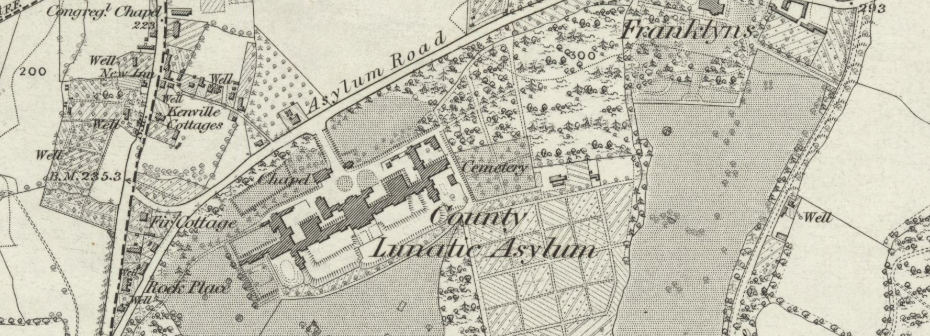
The Sussex County Asylum (later named St. Francis Hospital) for the whole county of Sussex opened in 1859 in Haywards Heath. In 1897 West Sussex County Asylum (Graylingwell Hospital in Chichester) opened helping for a short time to relieve overcrowding pressure on the Sussex County Asylum. Some patients were moved from Haywards Heath to Chichester. In 1903 East Sussex County Asylum opened in Hellingly (north of Eastbourne) again taking some patients from Haywards Heath. From 1903 onwards Sussex had these three County Asylums. Each of the three Sussex Asylums used a burial ground but the original Sussex Asylum (St. Francis Hospital) was the only one that had a burial ground (in fact two) within its grounds. The first burial ground was used from September 1860 to December 1891 and the second (and maybe a third, yet to be confirmed by further research) from January 1892 to August 1953.
A brief history of the three Sussex County Asylums can be read on the excellent County Asylums web site here https://www.countyasylums.co.uk/st-francishaywards-heath/ . An excellent and more comprehensive history of the original Sussex County Asylum at Haywards Heath (latterly named St. Francis Hospital) is in a book titled “Sweet Bells Jangled Out of Tune” by James Gardner who is one of the volunteer researchers working on this project.
County Asylums in the UK – Burial Grounds
There were about 120 County Asylums built in England and Wales and more than 20 District and Royal Asylums in Scotland. Each of them had a burial ground within its borders or used a local burial ground nearby to bury the patients who died in the Asylums but, for a variety of reasons, their bodies were not claimed by family and friends. There are hundreds of thousands of mental health patients in these burial grounds across the UK.
At the Sussex Asylum site today, the north-eastern corner of the 2.5 acre cemetery is about 125 metres south-west of the main entrance to the Princess Royal Hospital. There is no indication that almost 4,000 mental health patients from the old St. Francis hospital lie buried so close to the main entrance of the modern hospital.

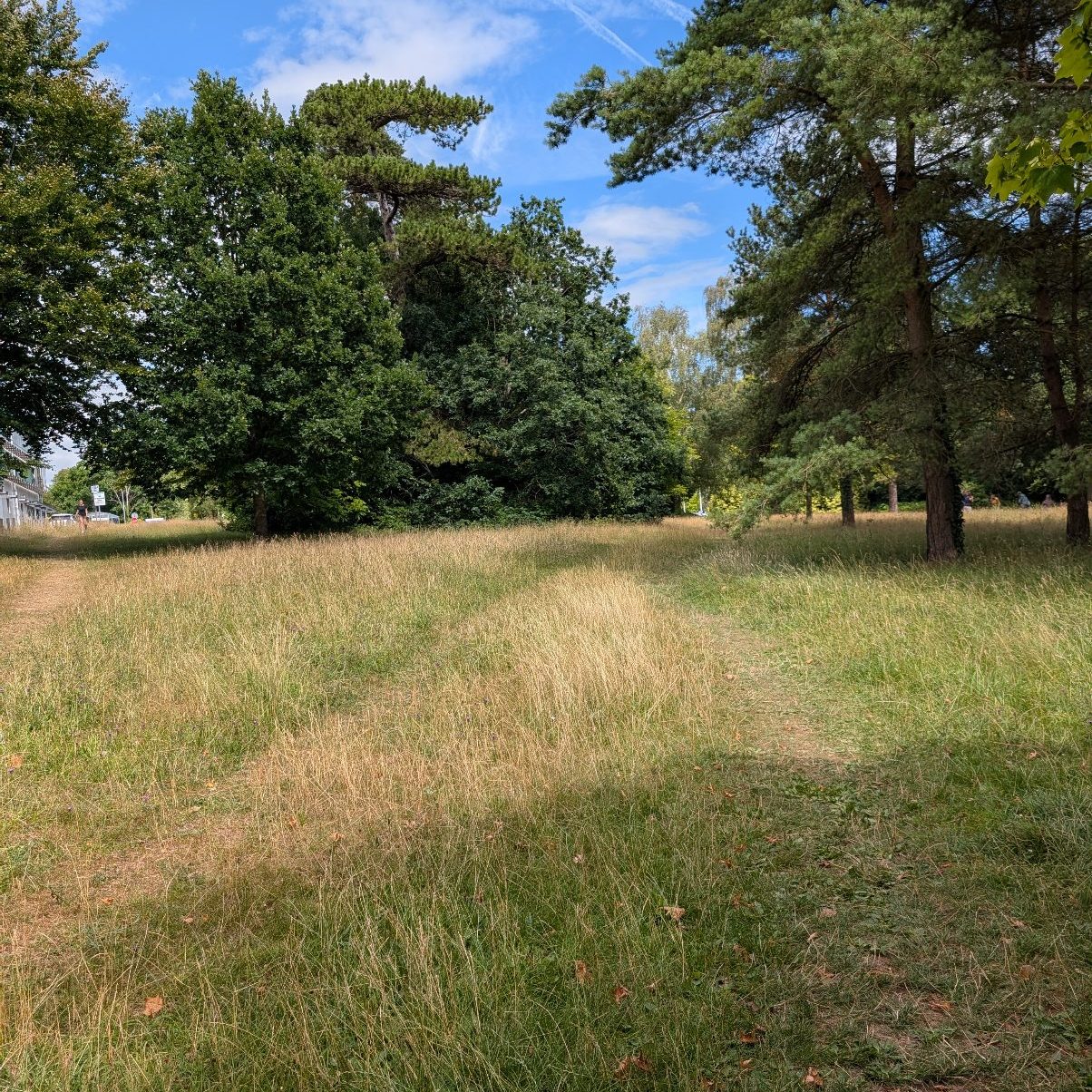

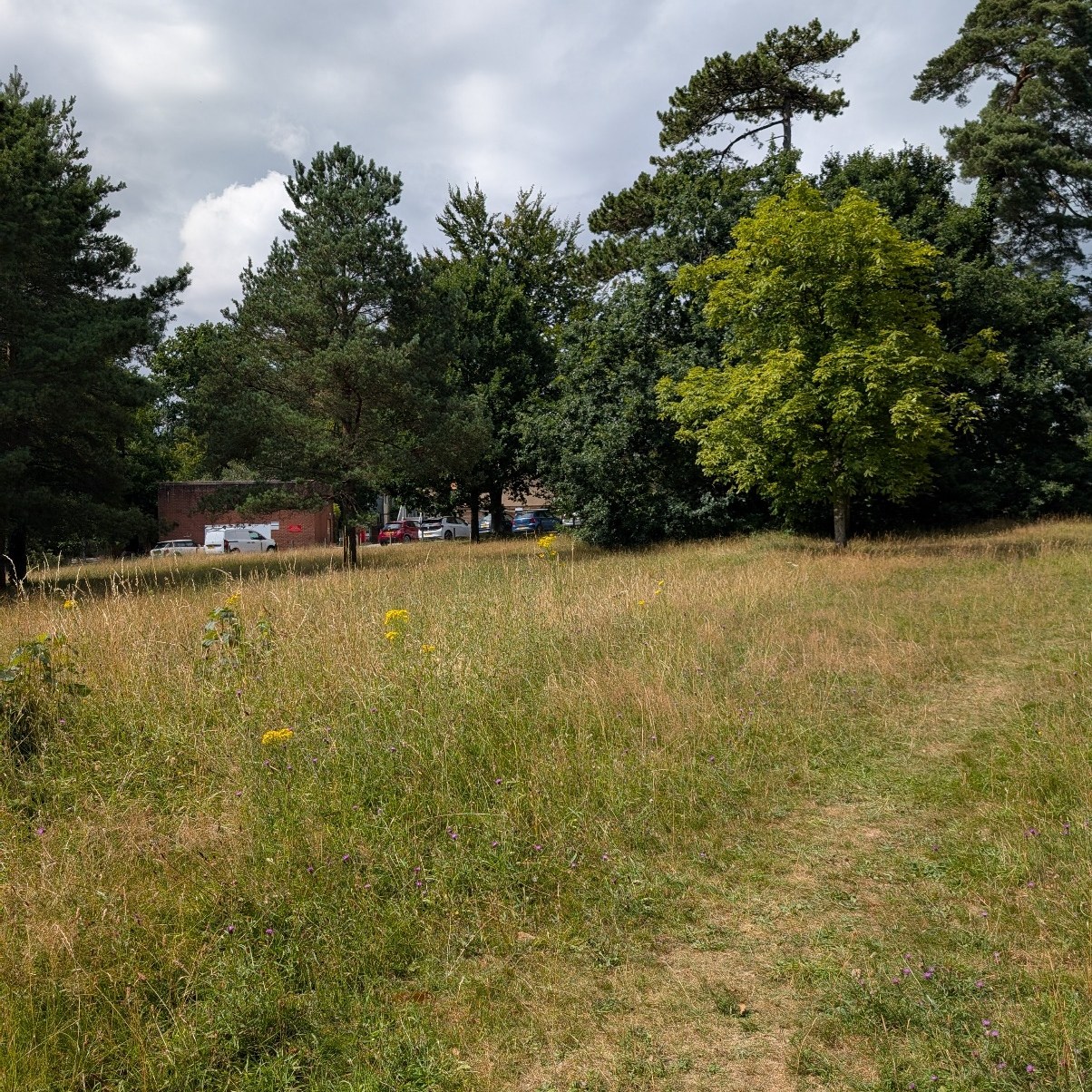
The St. Francis Hospital burial ground today
 Sussex Asylums Burial Grounds Project